Iceland
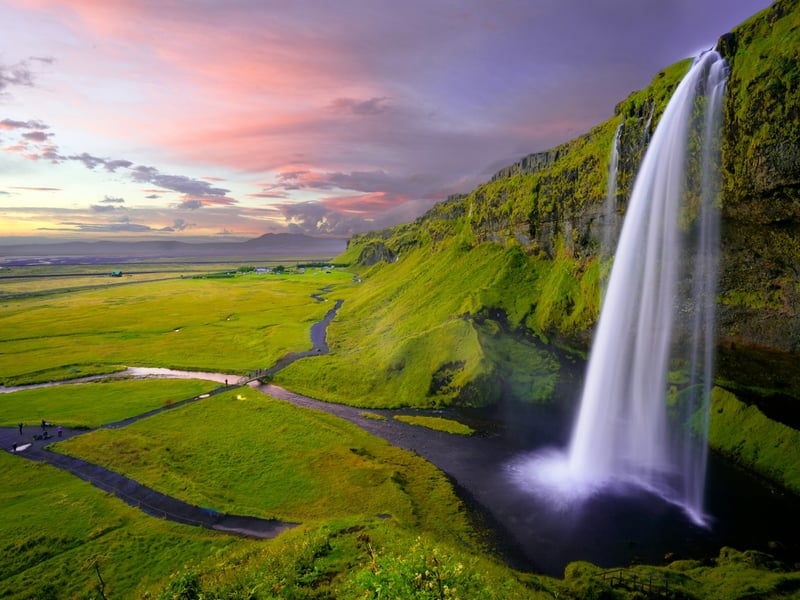
Iceland: A Land of Fire and Ice
Iceland is one of the world's most breathtaking destinations, shaped by dramatic natural forces. The island's compact size makes it easy for travelers to discover its wide range of natural wonders and vibrant culture.
Natural Wonders
- Steaming geothermal fields
- Immense glaciers
- Black-sand beaches
- Towering waterfalls
- Rugged lava landscapes
Iconic routes such as the Golden Circle and the full Ring Road draw many visitors, while the remote Westfjords and highlands provide true wilderness experiences for adventure seekers.
Cultural Highlights
The capital, Reykjavík, stands out with its colorful culture, Nordic cuisine, and opportunities for whale-watching and hot spring visits. The city's unique character complements the island's natural beauty.
Top Destinations in Iceland
- Reykjavík
- The Golden Circle (Thingvellir, Geysir, Gullfoss)
- The Blue Lagoon
- Vik
- Jökulsárlón Glacier Lagoon
- Akureyri
- Westfjords
- Snæfellsnes Peninsula
Best Time to Visit Iceland
Iceland offers distinct experiences throughout the year, each season bringing its own unique charm and activities.
Summer (June–August)
Summer is considered the best time to visit, with the warmest weather, long daylight hours, and the spectacular midnight sun. The highlands become accessible during this peak travel season, making it ideal for exploring more remote areas.
Autumn (September–October)
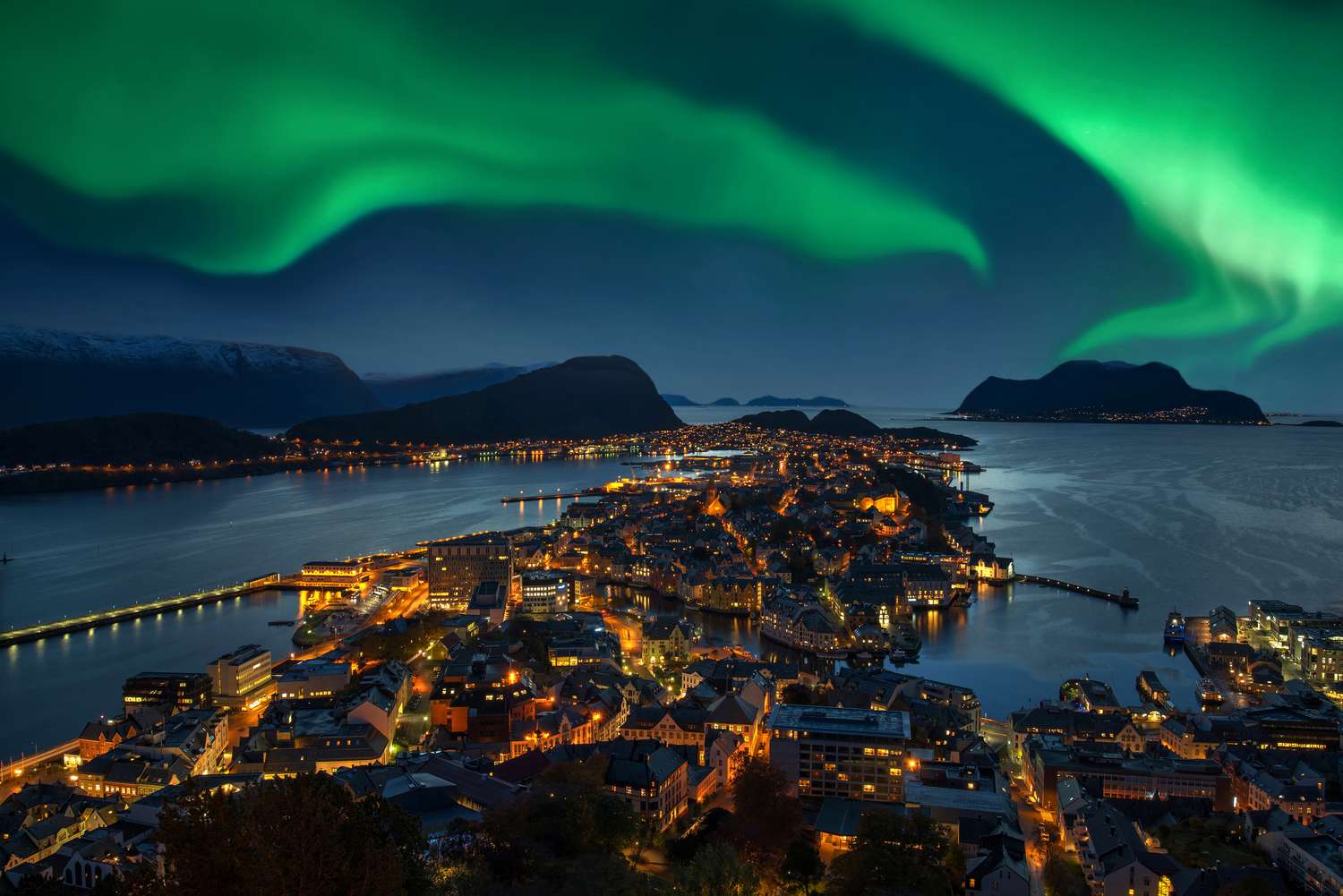
Autumn brings cooler temperatures and fewer crowds. This season also offers excellent opportunities to witness the northern lights as nights grow longer.
Winter (November–March)
Winter transforms Iceland into a snowy wonderland with short days and ice-covered landscapes. It's the prime time for visiting ice caves and experiencing the strongest chances to see the northern lights.
Spring (April–May)
As the snow melts, Iceland’s landscapes begin to bloom, and tourist numbers remain low, making spring a quieter and beautiful time to visit.
Visa and Entry Requirements for Iceland
Iceland is a member of the Schengen Area. This allows for easy travel within most European countries under the Schengen agreement.
Visa-Free Entry: Many nationalities, including those from the EU, EEA, and several other countries, may enter Iceland without a visa for short stays, typically up to 90 days within a 180-day period.
Visa Requirements: Travelers from nations not included in the visa waiver program must obtain a Schengen visa before arrival. Entry requirements can vary, so it is important to check the latest information for your nationality before traveling.
Currency
The official currency is the Icelandic Króna (ISK). Credit and debit cards are accepted almost everywhere, including in remote locations—cash is rarely necessary.
Transport
Renting a car is the best way to explore Iceland’s diverse landscapes. Be aware that weather conditions can change quickly; always check forecasts and road conditions, and drive carefully, especially in winter.
Nature Safety
Nature in Iceland is beautiful but unpredictable. Stay on marked paths at all times. Be cautious of strong winds, powerful waves along the coast, and hazardous geothermal areas.
Cost
Iceland is generally expensive compared to other destinations. Make sure to budget accordingly for food, accommodation, and car rental expenses.
Connectivity
Mobile coverage is excellent nationwide. SIM and eSIM options are widely available and easy to purchase upon arrival.
Culture
Icelanders value nature, sustainability, and personal space. Tipping is not expected in Iceland, as service is usually included.