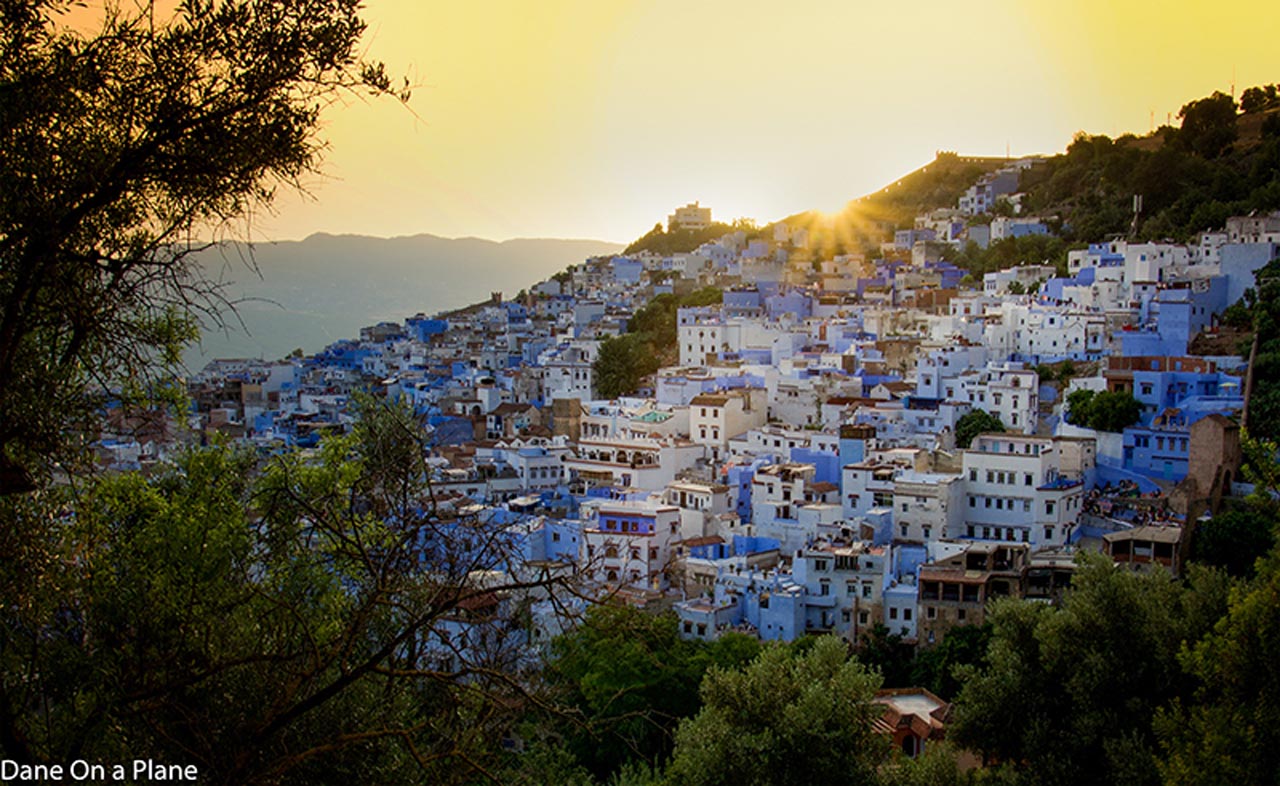
Morocco
.jpeg?width=800&height=600&fit=cover&focal=0.5x0.6)
Discover Morocco
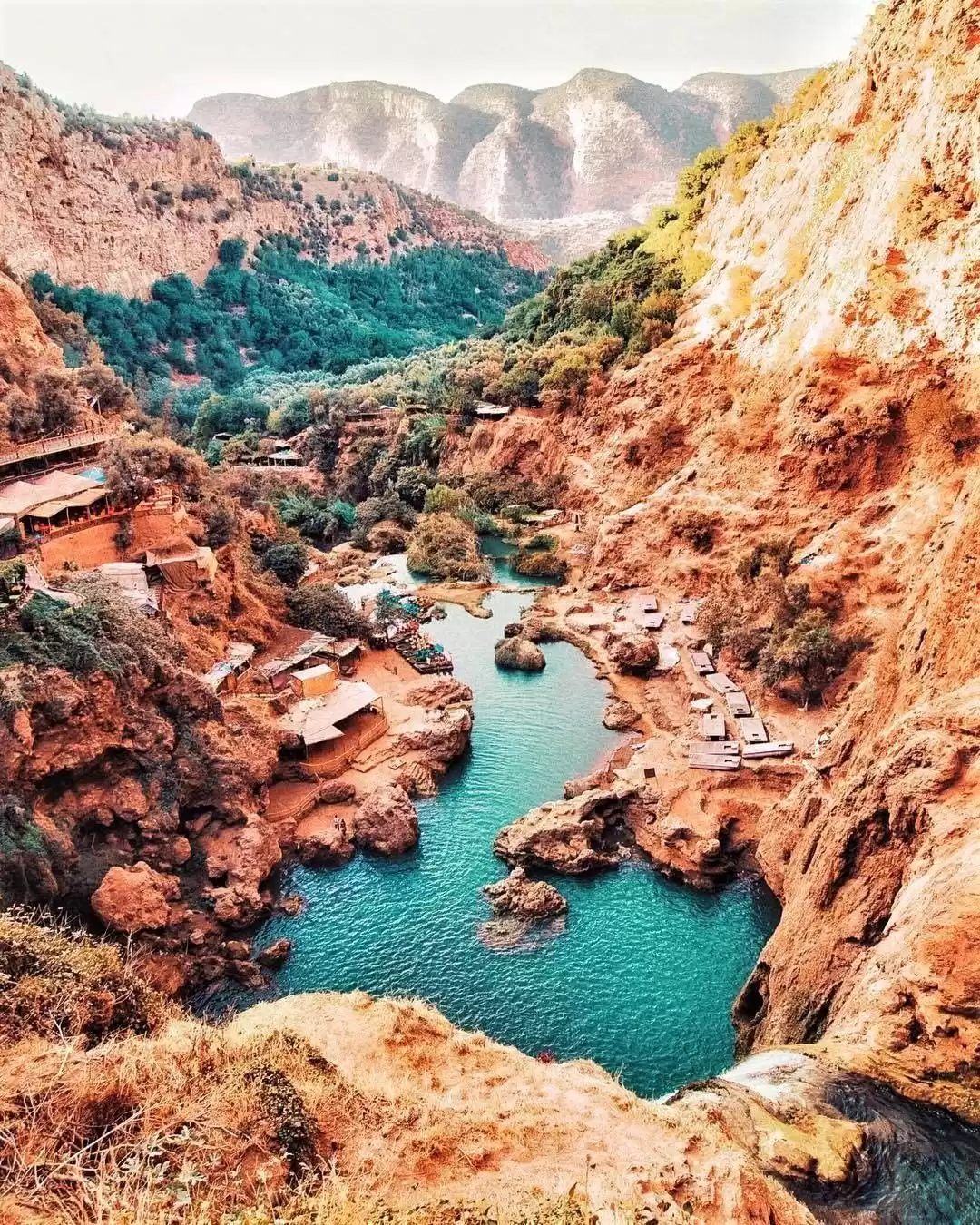
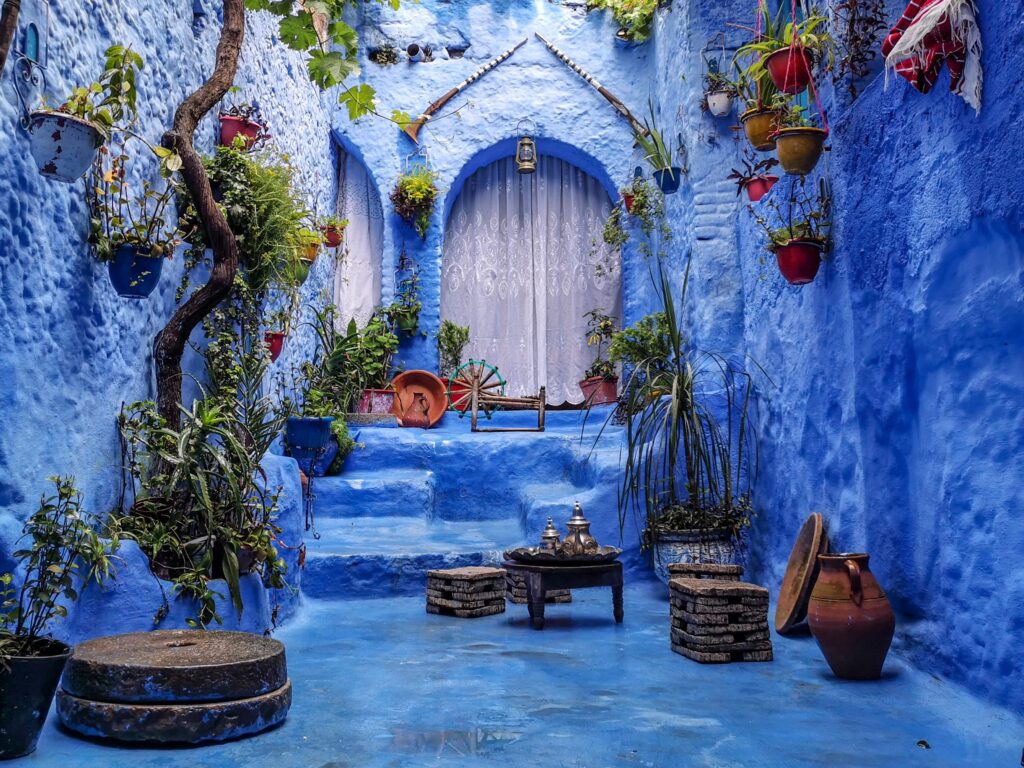
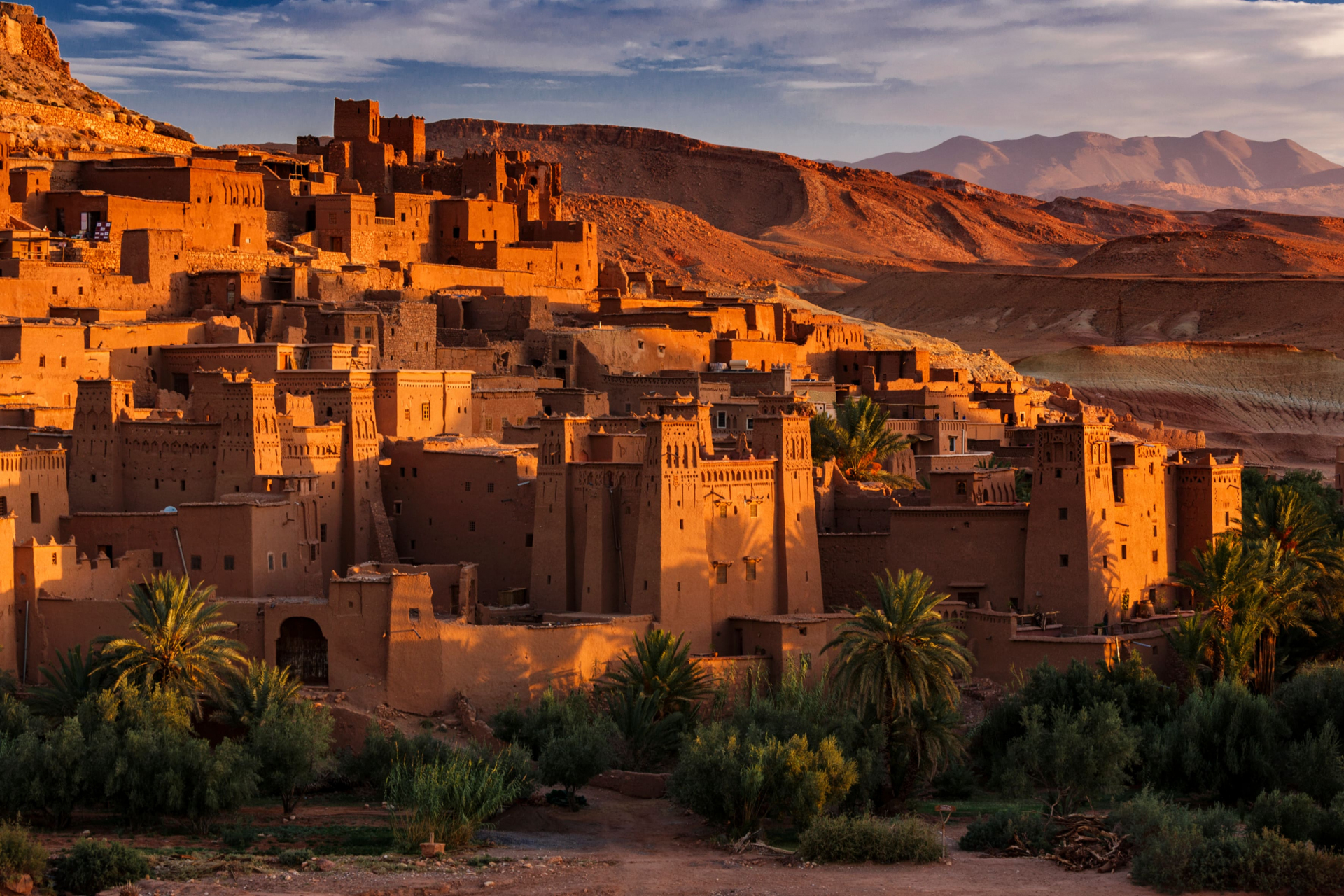
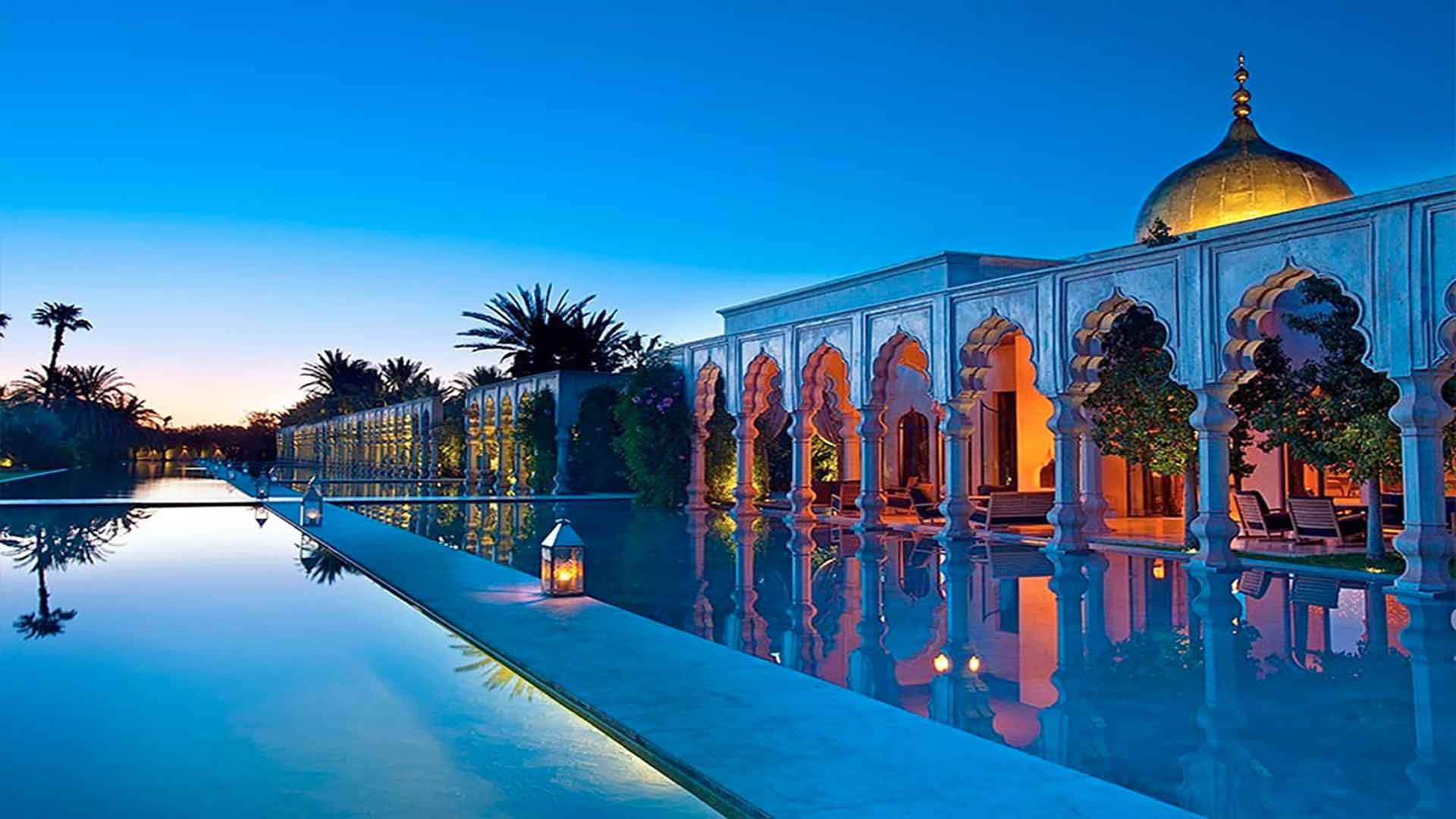
Morocco offers one of the most immersive cultural experiences in North Africa. The country is a tapestry of color, aroma, and history—from the winding souks of Marrakech to the iconic blue-washed streets of Chefchaouen and the golden dunes of the Sahara.
Unforgettable Experiences
Travelers can explore Morocco’s imperial cities, hike in the Atlas Mountains, visit traditional Berber villages, or wander through seaside towns such as Essaouira. Everywhere you go, you’ll encounter rich cuisine, warm hospitality, and centuries-old craftsmanship that make Morocco a deeply memorable destination.
Highlights & Top Destinations
- Marrakech – Famous for vibrant souks and historic palaces.
- Fes – Home to the world’s oldest university and intricate medina.
- Chefchaouen – The striking blue "city of dreams."
- Casablanca – A cosmopolitan city on the Atlantic coast.
- Rabat – The nation’s capital, rich in culture and history.
- Essaouira – A laid-back seaside town with artistic vibes.
- Merzouga (Sahara) – Gateway to the majestic Sahara Desert dunes.
- Atlas Mountains – Ideal for hiking and picturesque Berber villages.
Best Time to Visit Morocco
Morocco offers diverse climates across its regions, from coastal breezes to mountain chill and desert heat. Here’s how the seasons compare for travelers:
Spring (March–May)
Spring is one of the best times to visit Morocco. Pleasant temperatures prevail across the country, making it ideal for exploring cities, hiking in the mountains, or venturing into the desert.
Autumn (September–November)
Autumn is another excellent travel season, with warm yet comfortable weather and vibrant landscapes. This period is perfect for cultural tours and outdoor adventures.
Summer (June–August)
Summers can be extremely hot, particularly in the desert and inland cities. However, coastal areas remain pleasant and are a great escape from the heat.
Winter (December–February)
Winters are cool to cold inland, with the Atlas Mountains often receiving snow, providing opportunities for winter sports. Coastal areas stay relatively mild during this season.
Visa-Free Entry
Many nationalities can visit Morocco without a visa for short stays, typically up to 90 days. Check if your country is on the visa-exempt list before traveling.
Visa Required
Travelers from countries not eligible for visa-free entry must obtain a visa in advance from a Moroccan consulate or embassy.
Passport Requirements
A passport valid for at least 6 months from your date of entry into Morocco is generally required for all travelers.
Currency
The official currency is the Moroccan Dirham (MAD). ATMs are widely available throughout cities and towns; however, some smaller souks and markets may prefer cash payments, so it is advisable to carry some cash with you.
Transport
Trains and buses provide reliable connections between major cities. For desert and mountain routes, hiring a private driver is a common and convenient option.
Culture
Morocco is a predominantly Muslim country. It is respectful to dress modestly, especially in rural areas and when visiting religious sites. Observing local customs will help you have a more positive experience.
Safety
The country is generally safe for travelers. Nonetheless, remain vigilant for common tourist scams and keep a close eye on personal belongings, especially in crowded medinas.
Connectivity
SIM and eSIM options are readily available. Mobile coverage is good in urban areas but can be patchy or limited in remote desert regions.
Food & Drink
Enjoy Morocco’s flavorful cuisine, known for its spices and variety. However, it is not recommended to drink tap water; opt for bottled or filtered water instead.
Find your next destination and make a positive impact
.jpeg)