South Korea
Discover South Korea
South Korea offers a vibrant blend of tradition and modernity, inviting travelers to experience its unique cultural landscape.
Highlights and Experiences
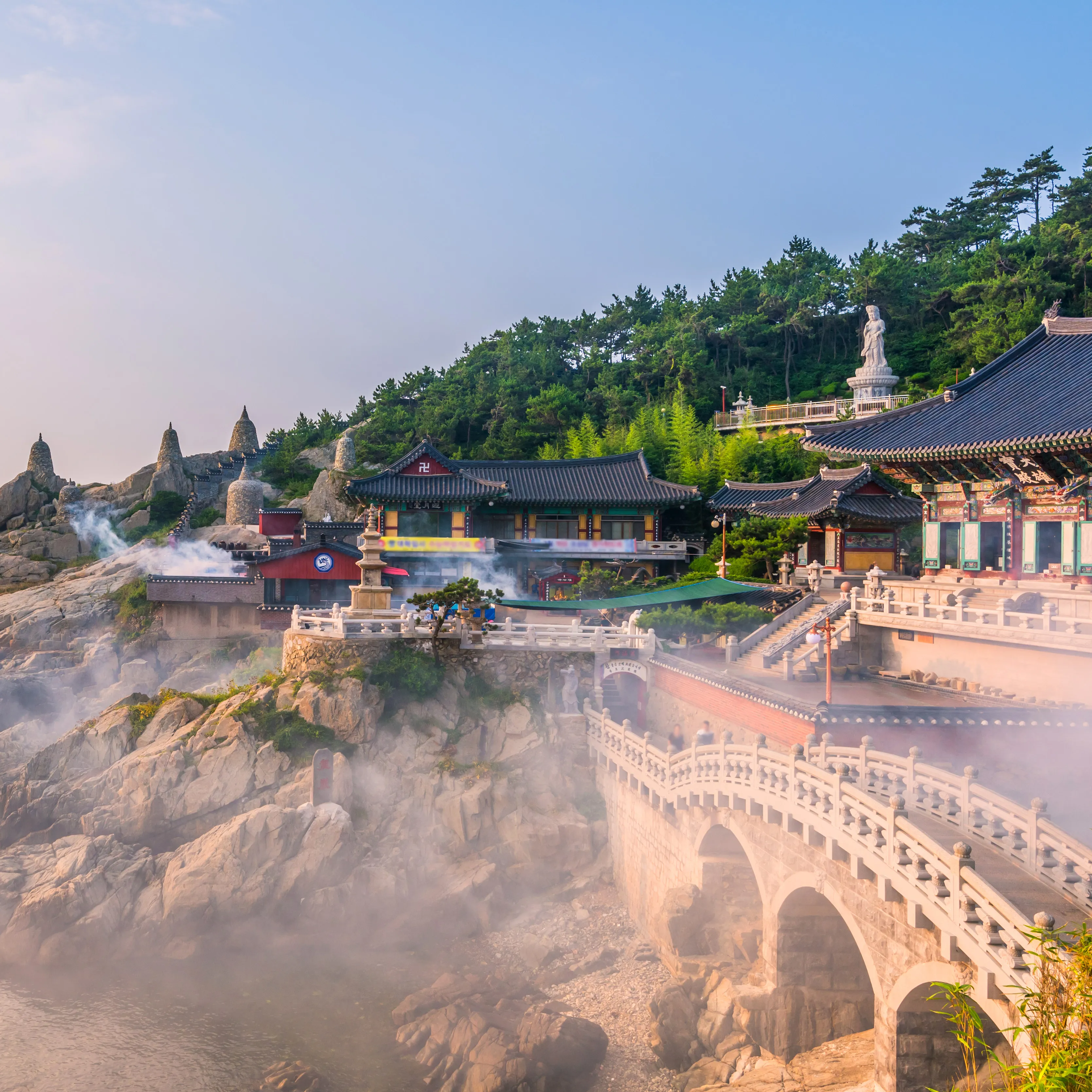
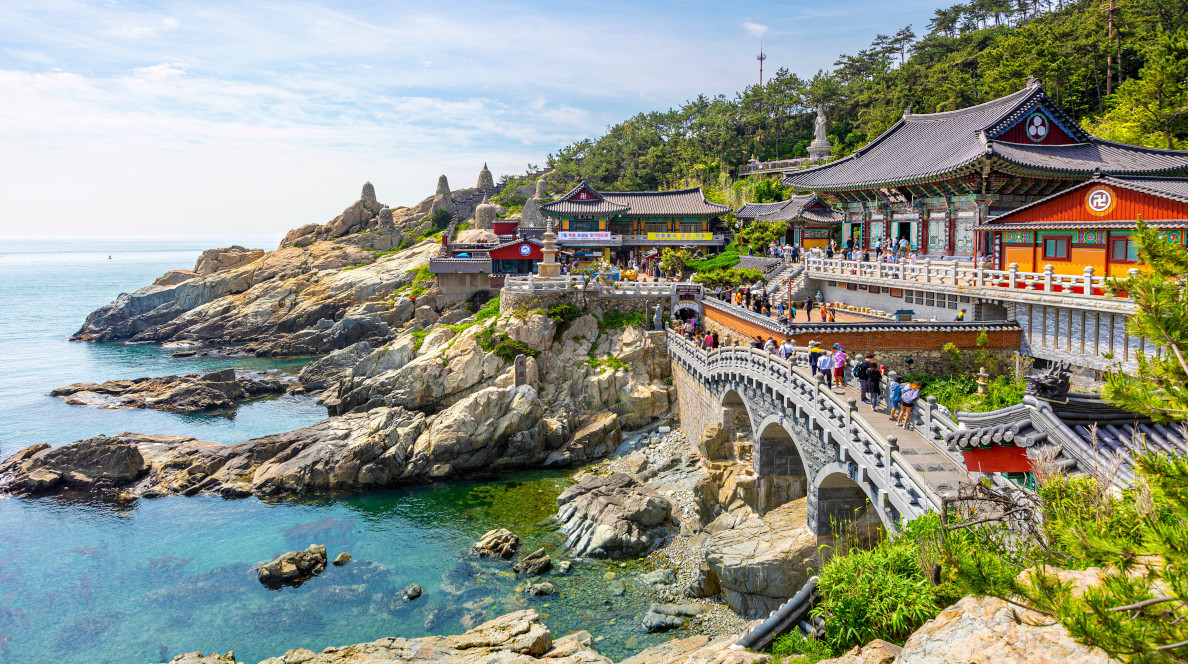
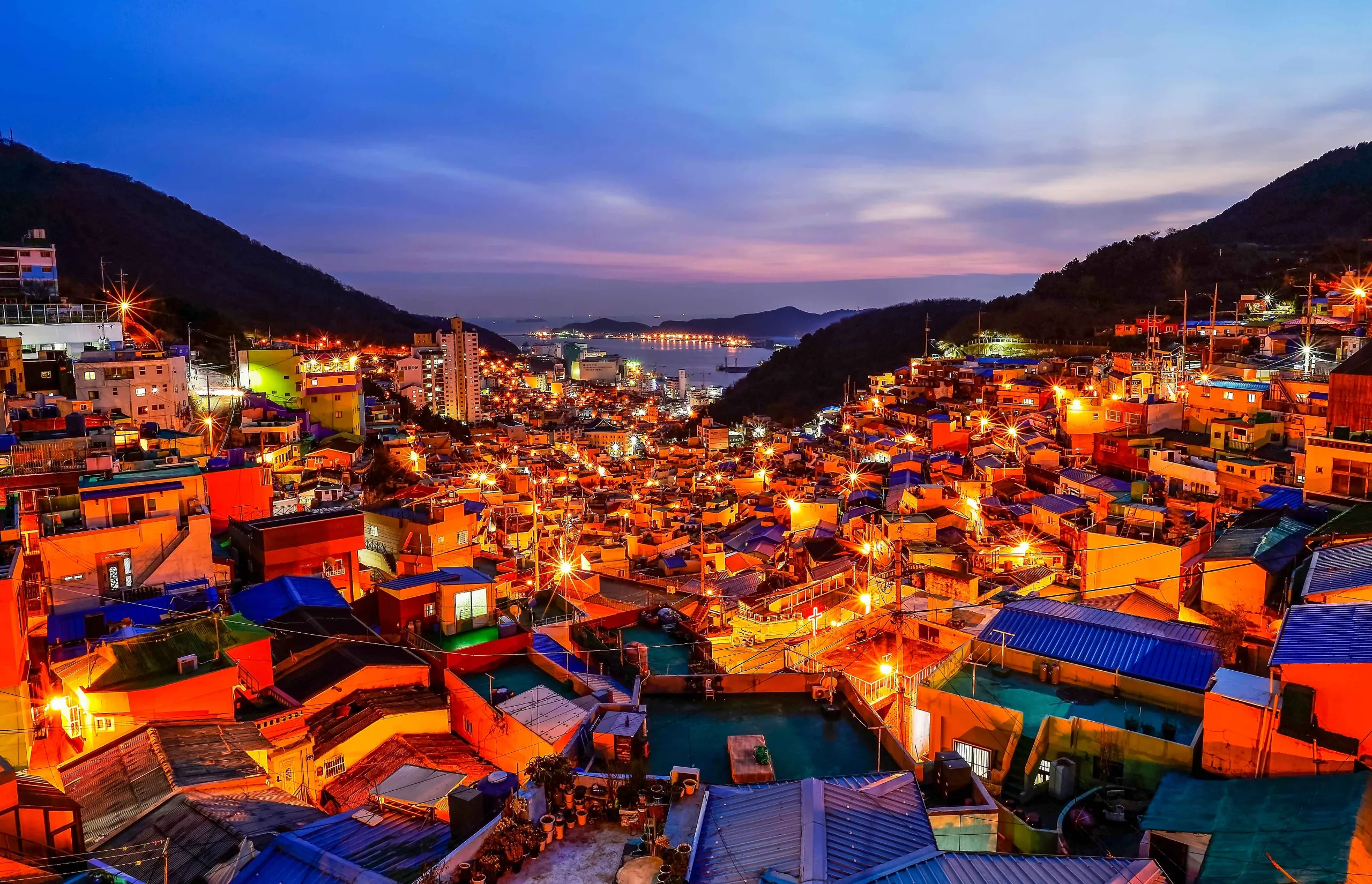
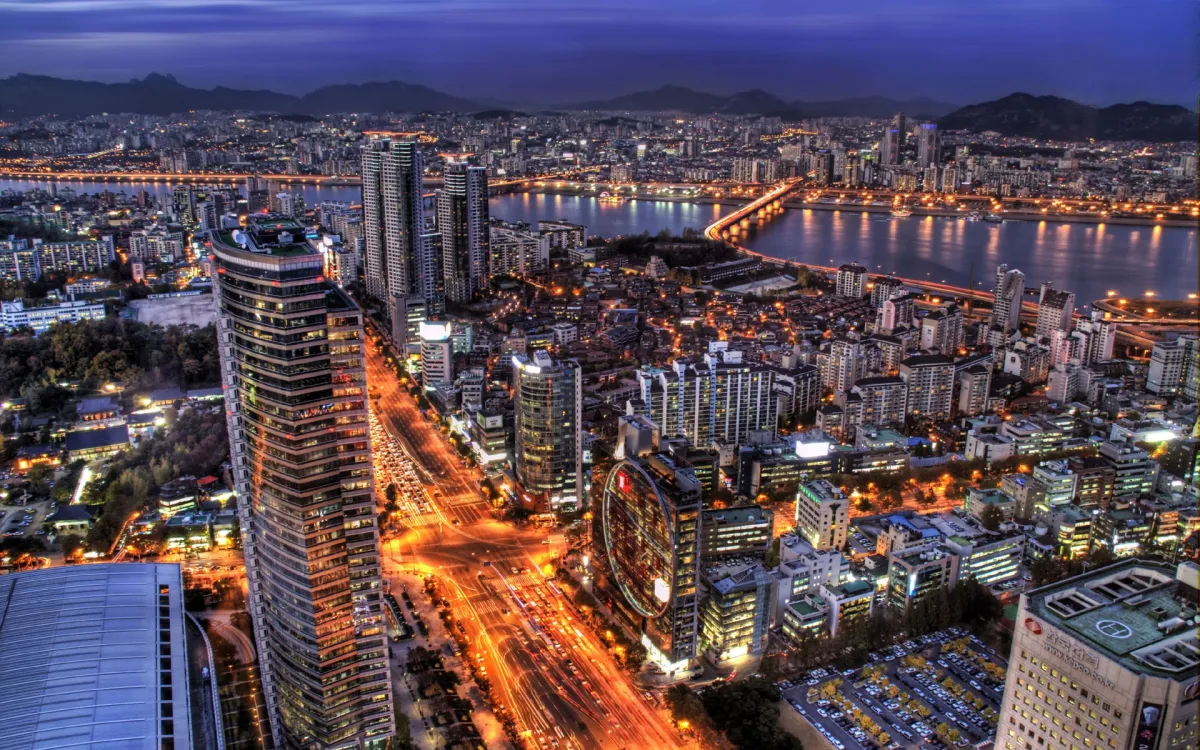
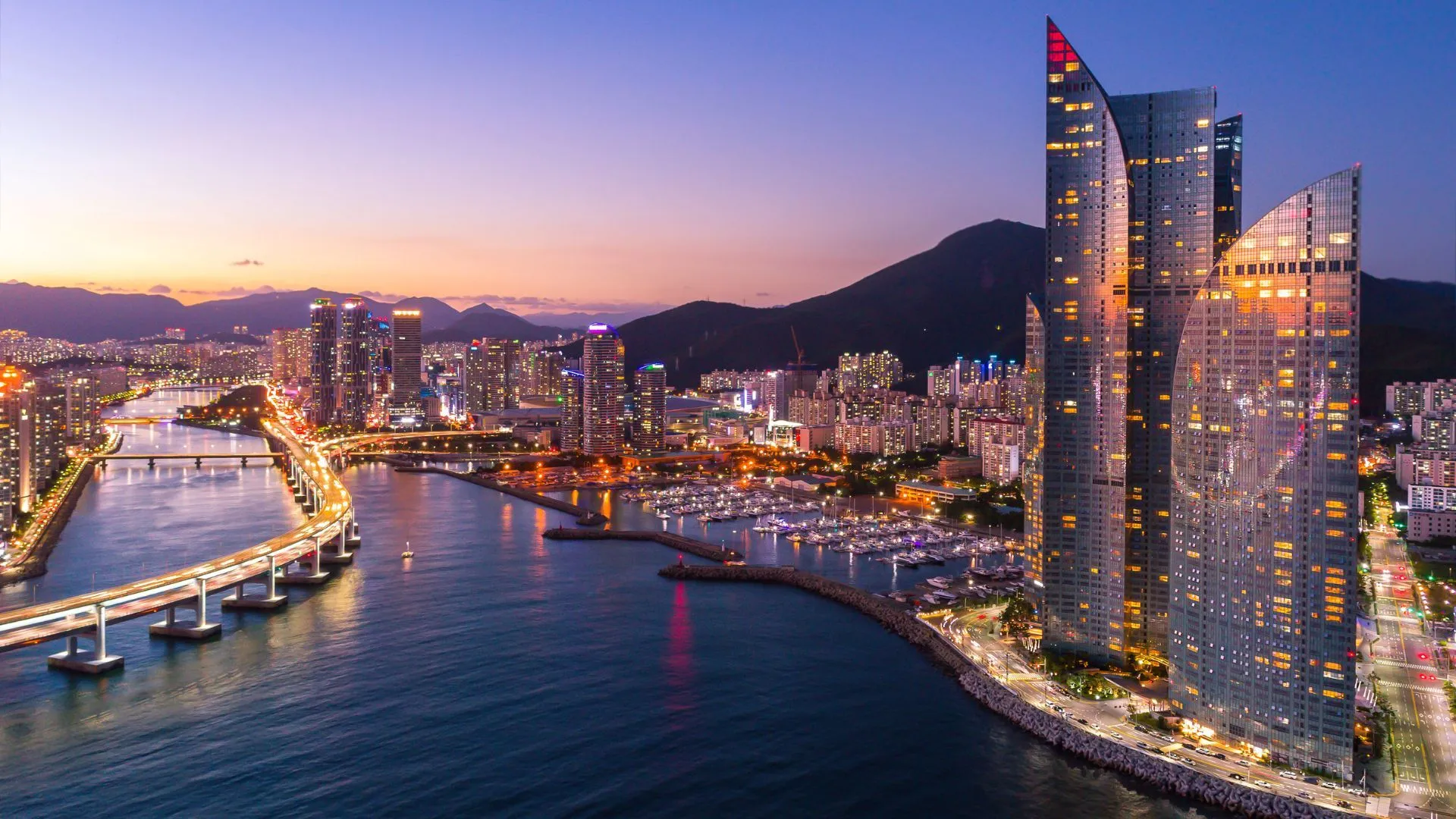
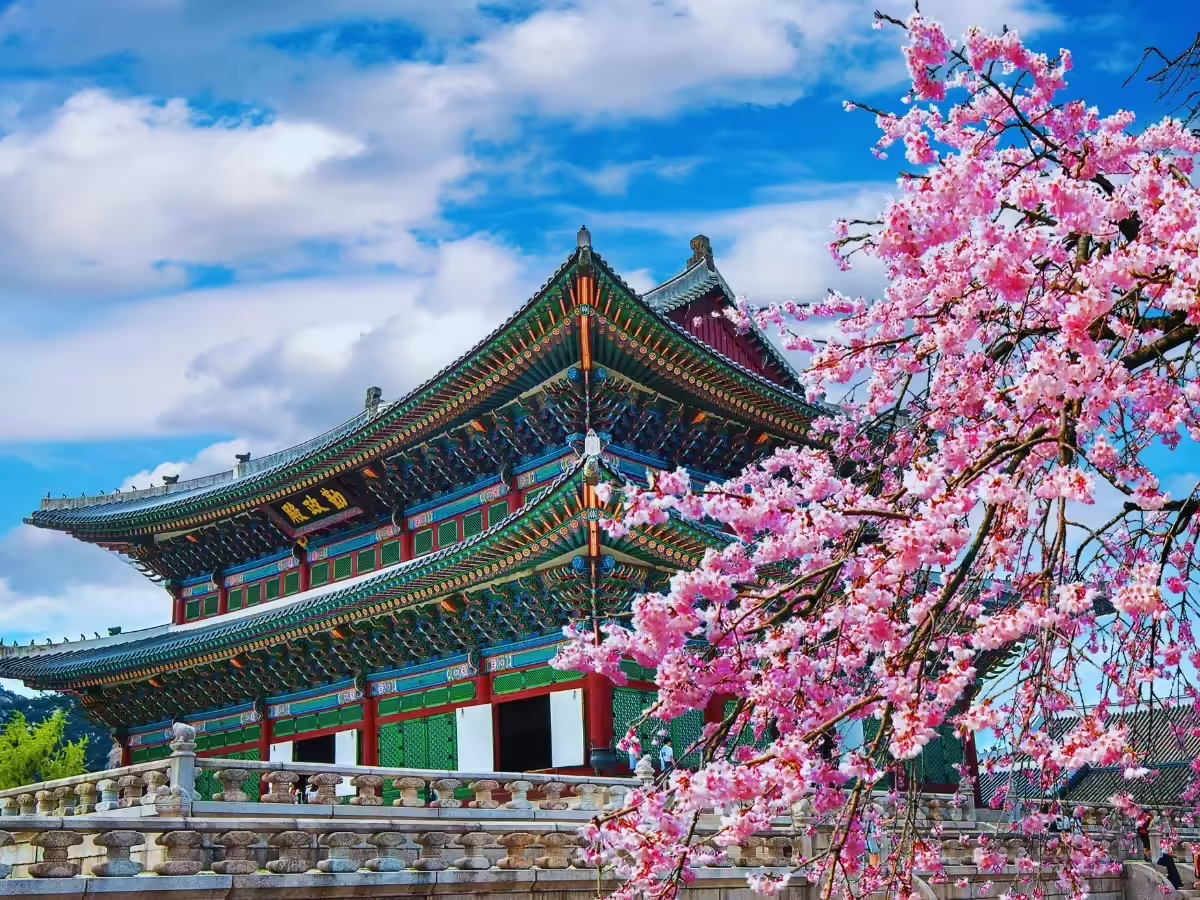
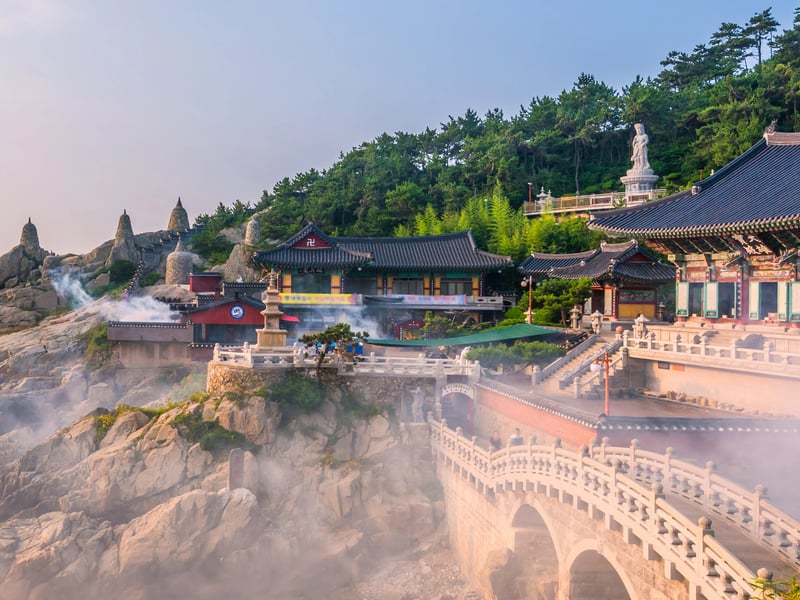
Explore Seoul’s futuristic skyline alongside its centuries-old palaces, wander through the colorful neighborhoods of Busan, and hike in pristine national parks. Unwind on Jeju Island’s scenic volcanic beaches or soak in the country’s rejuvenating hot springs. South Korea’s efficient transportation makes it easy to navigate between city and countryside.
Culture and Cuisine
Known for its delicious cuisine—from street food to gourmet dining—South Korea is a culinary destination. Experience the lively K-pop and pop-culture scene, and connect with the local people, renowned for their hospitality.
Top Destinations
- Seoul
- Busan
- Jeju Island
- Gyeongju
- Suwon
- Incheon
- Seoraksan National Park
- Jeonju Hanok Village
Whether you’re drawn to dynamic city life, breathtaking landscapes, or deep cultural immersion, South Korea is sure to deliver an unforgettable experience.
Best Time to Visit South Korea
South Korea enjoys four distinct seasons, each offering unique experiences for travelers. Here’s a breakdown of what you can expect throughout the year:
Spring (April – June)
Spring is one of the most popular times to visit South Korea. The weather is mild and pleasant, and the country comes alive with beautiful cherry blossoms and vibrant festivals.
Autumn (September – November)
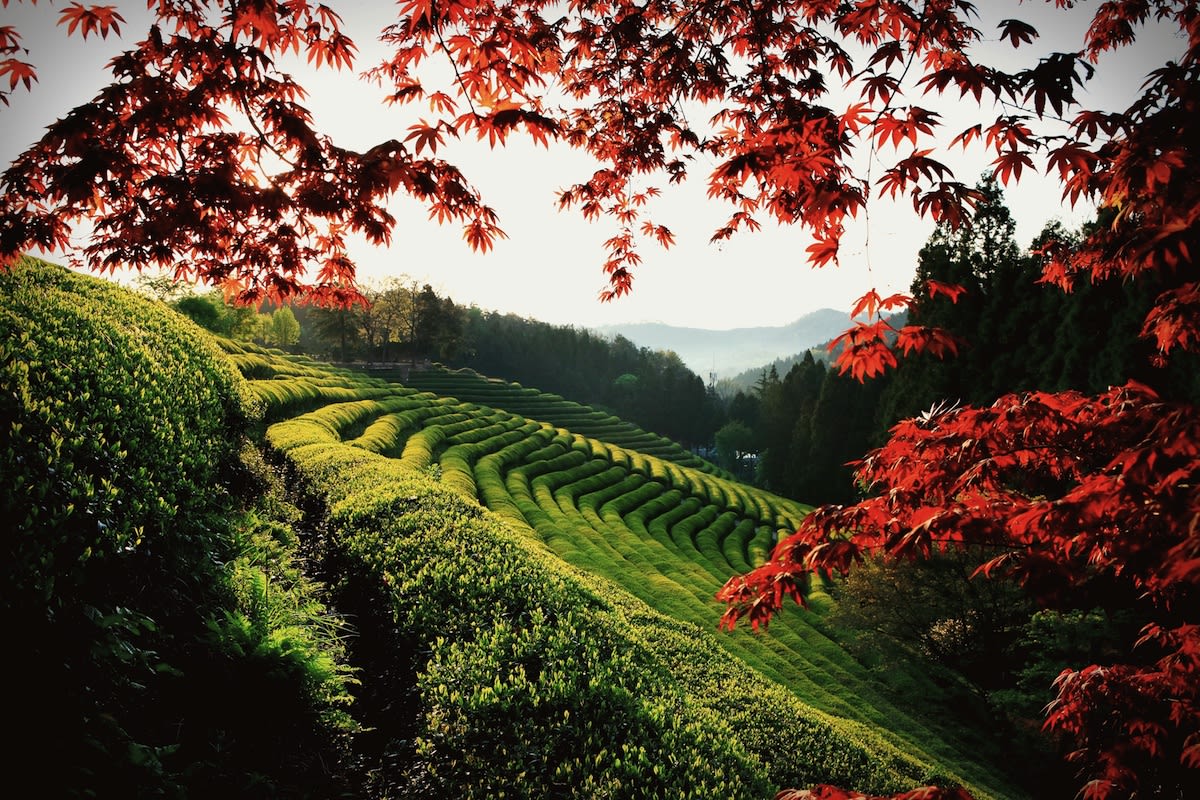
Often regarded as the best season to visit, autumn features clear blue skies, colorful foliage, and ideal temperatures. Parks and mountains are especially stunning during this period.
Summer (July – August)
Summer in South Korea is hot, humid, and comes with heavy rainfall. However, it’s a great time for beach trips and enjoying lively local festivals.
Winter (December – February)
Winters are cold and dry, making it the perfect season for skiing and winter sports, especially in the mountain regions.
Visa-Free Entry
Many nationalities are eligible to visit without a visa for short stays. However, the specific length of stay and eligibility may vary depending on your country of citizenship.
K-ETA Requirement
Depending on your nationality, you may be required to obtain a Korea Electronic Travel Authorization (K-ETA) prior to entry. Please check the latest requirements for your country before traveling.
Currency
The official currency in South Korea is the South Korean Won (KRW). Credit and debit cards are widely accepted in most establishments. If you plan to use public transportation, purchasing a T-Money card is highly recommended for convenience.
Transport
South Korea has an excellent and extensive transport network. The subway systems in major cities are clean, affordable, and easy to navigate. For longer distances, high-speed KTX trains provide quick travel between cities, while efficient intercity buses offer reliable alternatives.
Culture
Bowing is the standard form of greeting in South Korea. When giving or receiving items, it is customary and respectful to use both hands, reflecting the country’s emphasis on respect and politeness.
Connectivity
South Korea boasts some of the world's fastest mobile and internet networks. SIM and eSIM cards are easy to purchase at airports and convenience stores, ensuring you stay connected throughout your trip.
Safety
South Korea is considered an extremely safe destination with low crime rates and reliable public infrastructure. Travelers can feel at ease exploring both urban and rural areas at any time of day.
Find your next destination and make a positive impact